Feed
All posts
Everything I've shared across social networks — page 4.
LinkedIn
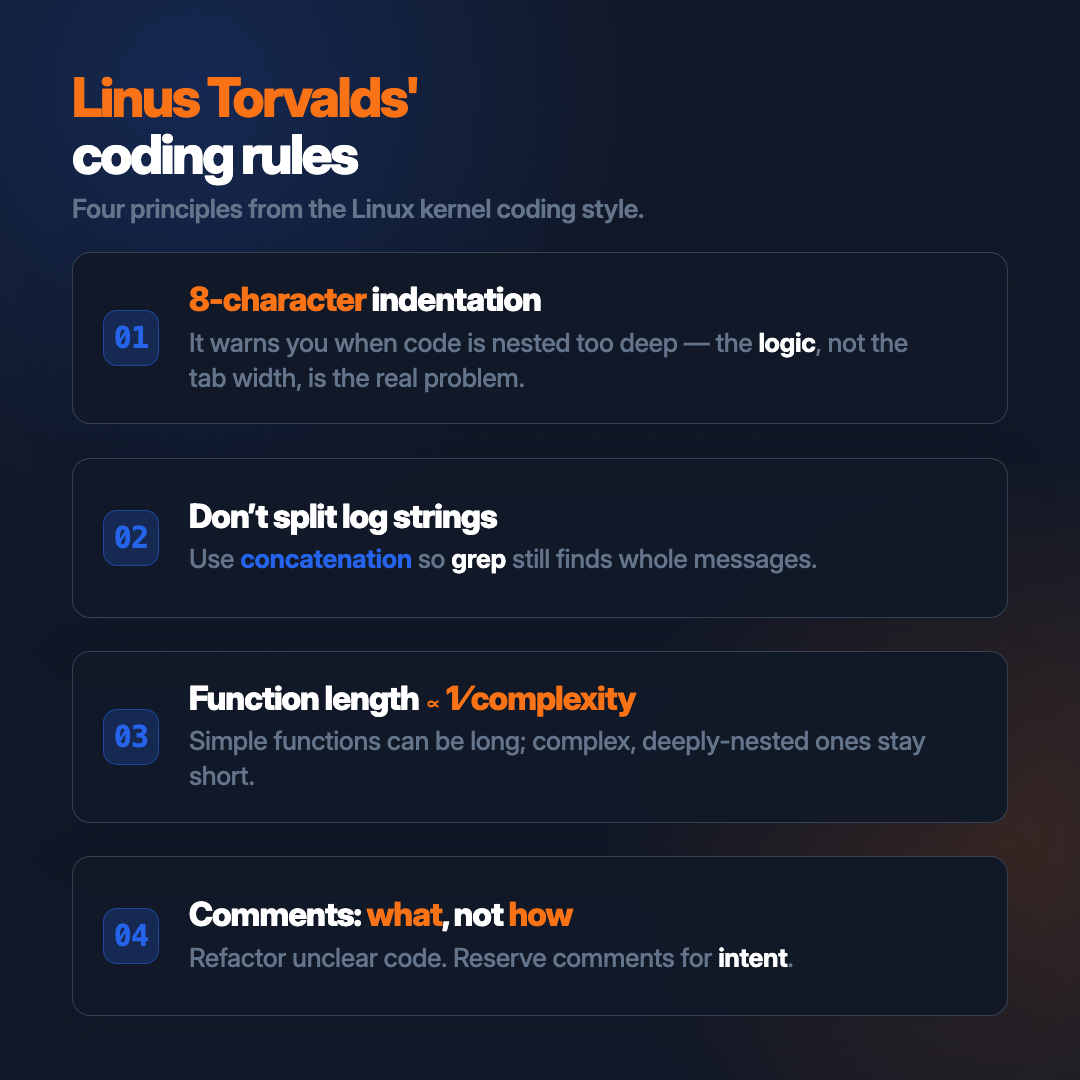
There was a time when readable code meant following small, deliberate constraints. You spaced for clarity, kept functions short when complexity grew, and commented intent instead of mechanics. AI tools now push for maxim…
Read more →LinkedIn
I’ve spent nine years working with Vue across different teams and codebases, learning from developers whose insightful conversations about conventions shaped my experience across the projects I worked on. That experienc…
Read more →LinkedIn
Apple's Liquid Glass effect from WWDC 2025, recreated with CSS and SVG. No WebGL and, no libraries, just SVG displacement maps, Snell's law, and some clever gradient math 🤯 That's the kind of interaction design I res…
Read more →LinkedIn
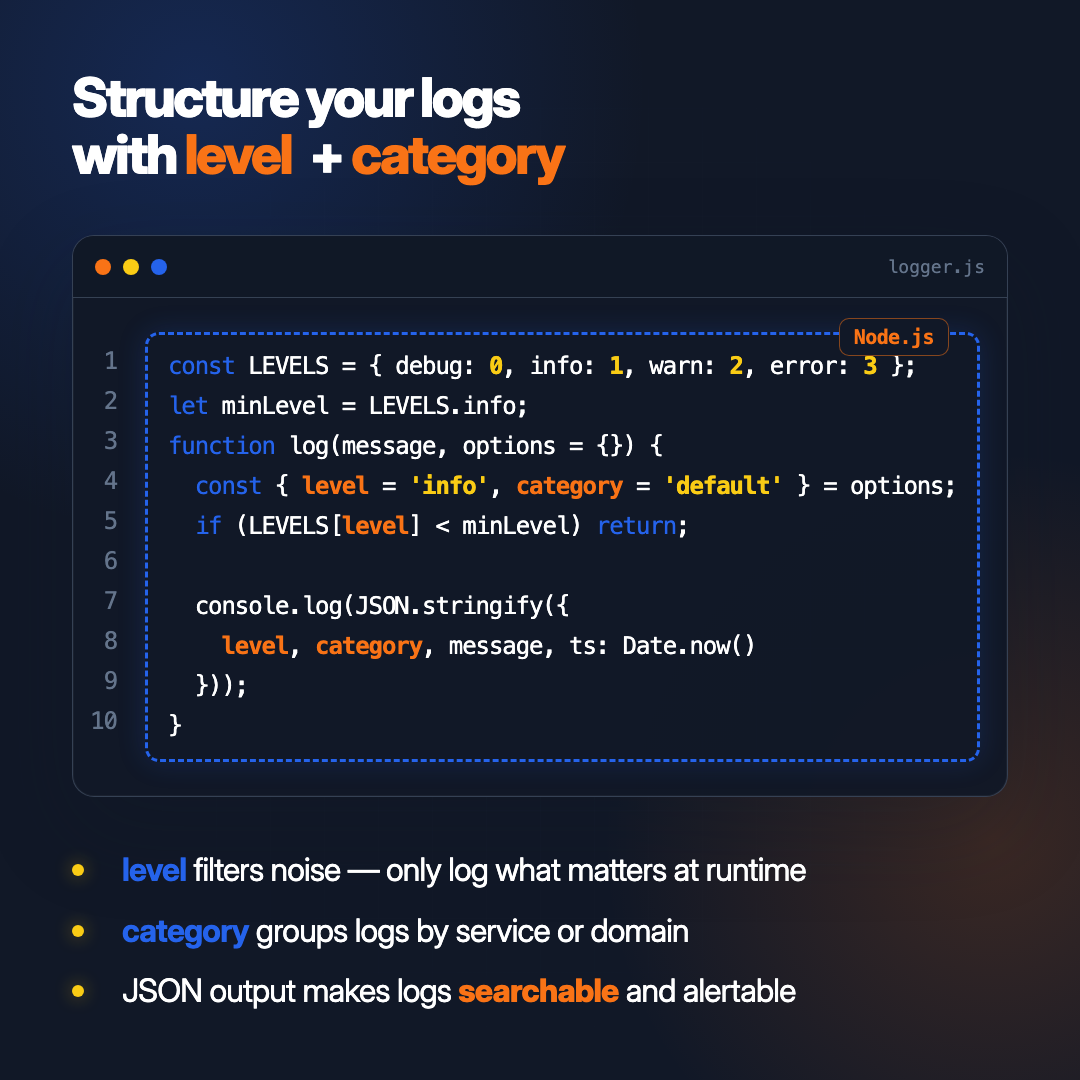
Observability starts with knowing the difference between a warning and a real error. BetterStack keeps putting out content on the topics developers actually need to get right. Structured JSON output makes debugging far …
Read more →LinkedIn
I just watched Kevin Powell's latest video on CSS offset-path, and it's a great reminder of how much animation power we have in plain CSS now. The property lets you move elements along a path, and you don't even need SVG…
Read more →LinkedIn
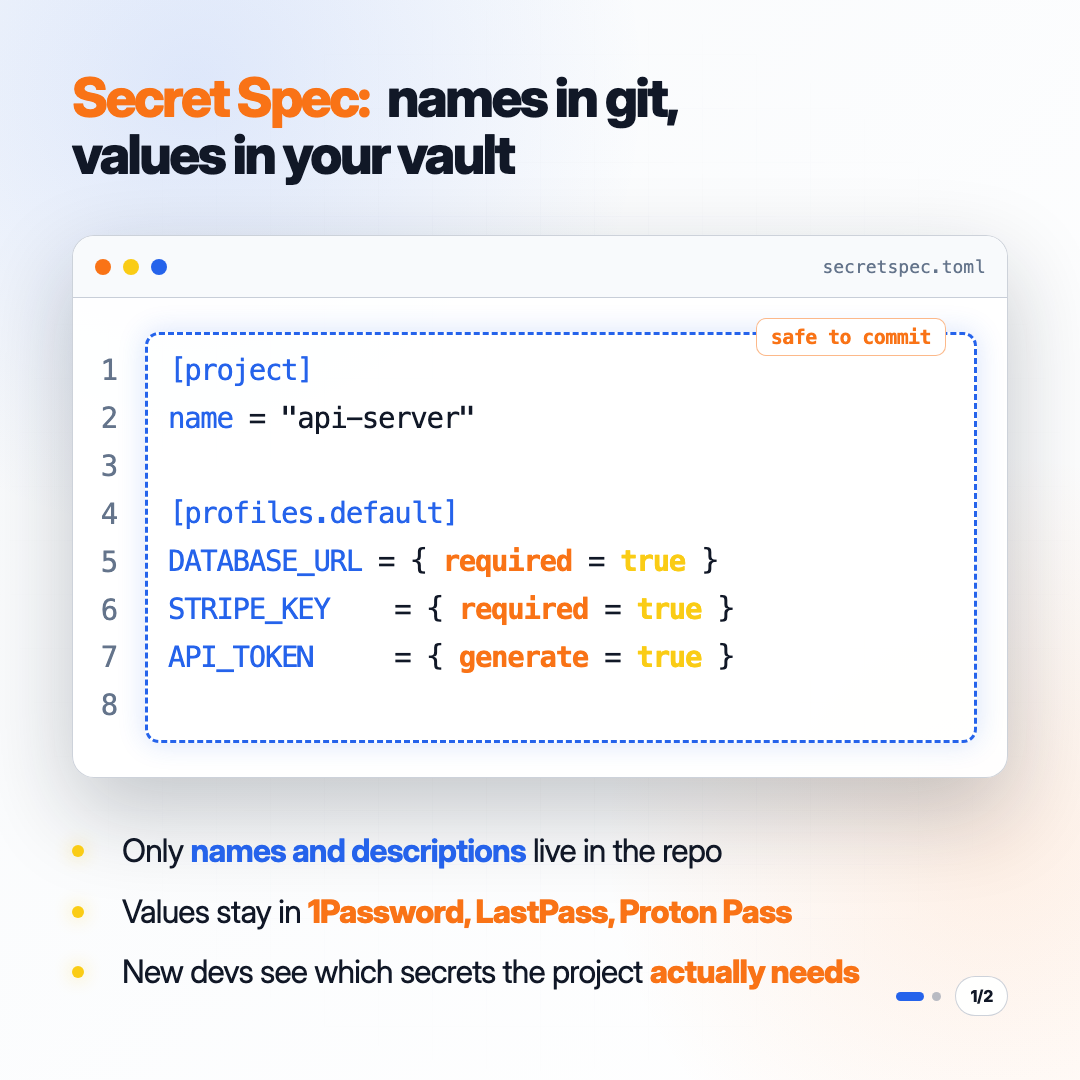
.env files work fine for quick projects and MVPs, but once a codebase grows and several people are touching it, syncing secrets and avoiding accidental leaks becomes real friction. Someone commits a real key by mistake, …
Read more →LinkedIn
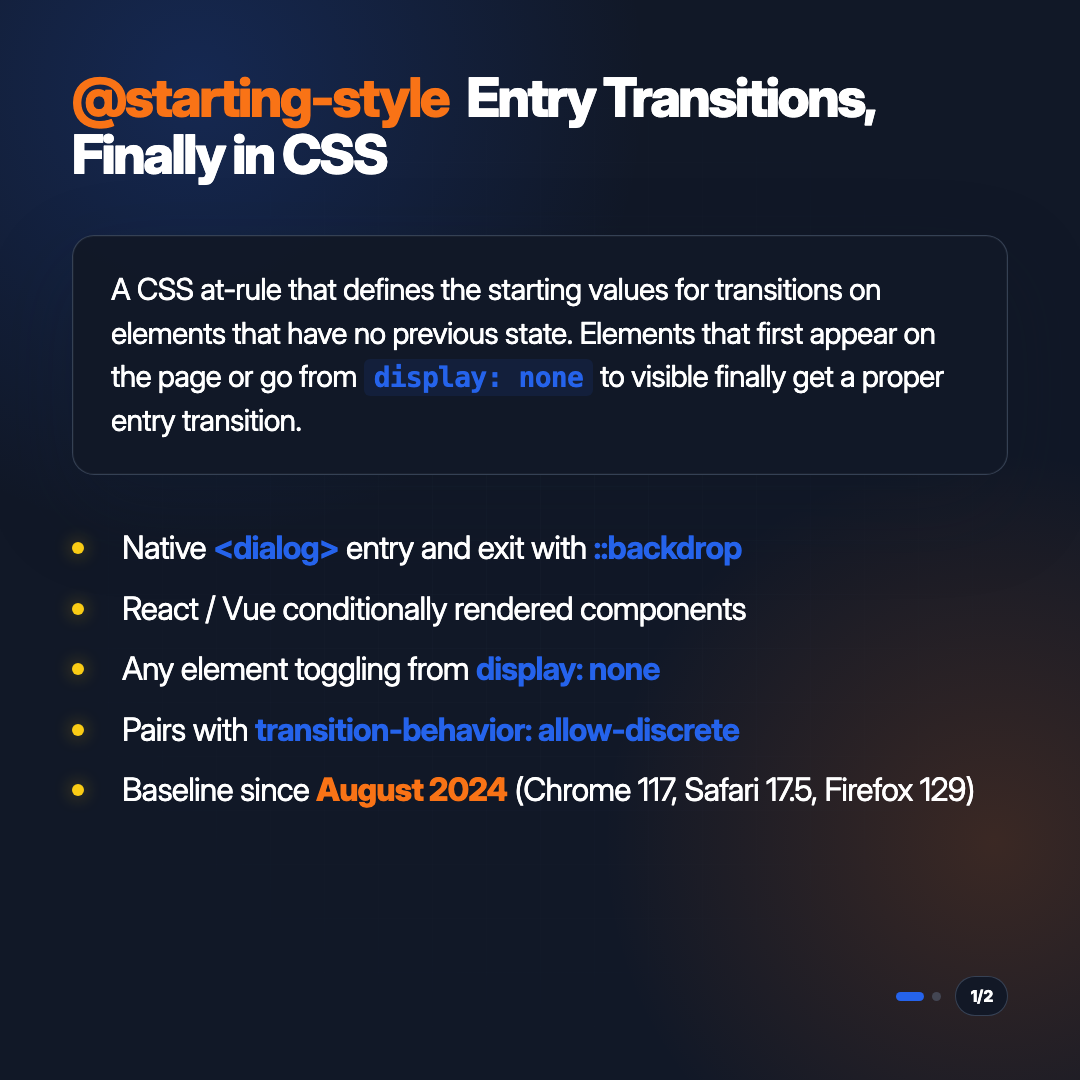
How many times did you wrestle with display: none just to make a component fade in? You change the opacity, set it to block, wait for a frame, toggle the opacity again, and still the transition doesn't fire. It's none of…
Read more →LinkedIn
Cache management in large frontend apps is one of those problems that feels simple until it isn't. You start with one or two data sources, then comes the third API, then a form that needs to update in real-time, then som…
Read more →LinkedIn
The Popover API is one of those browser features that quietly kills a whole category of dependencies. Before this, I'd reach for a JS package every time I needed a dropdown, tooltip, or menu. Most of them were fragile —…
Read more →LinkedIn
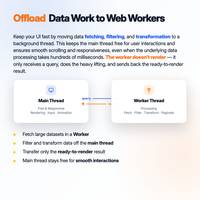
Your UI only needs what matters, not how much you loaded. Filtering a massive JSON payload in a component blocks the main thread, frees scroll, and stalls the screen before 20 rows render. Move that work to a Web Worker…
Read more →LinkedIn
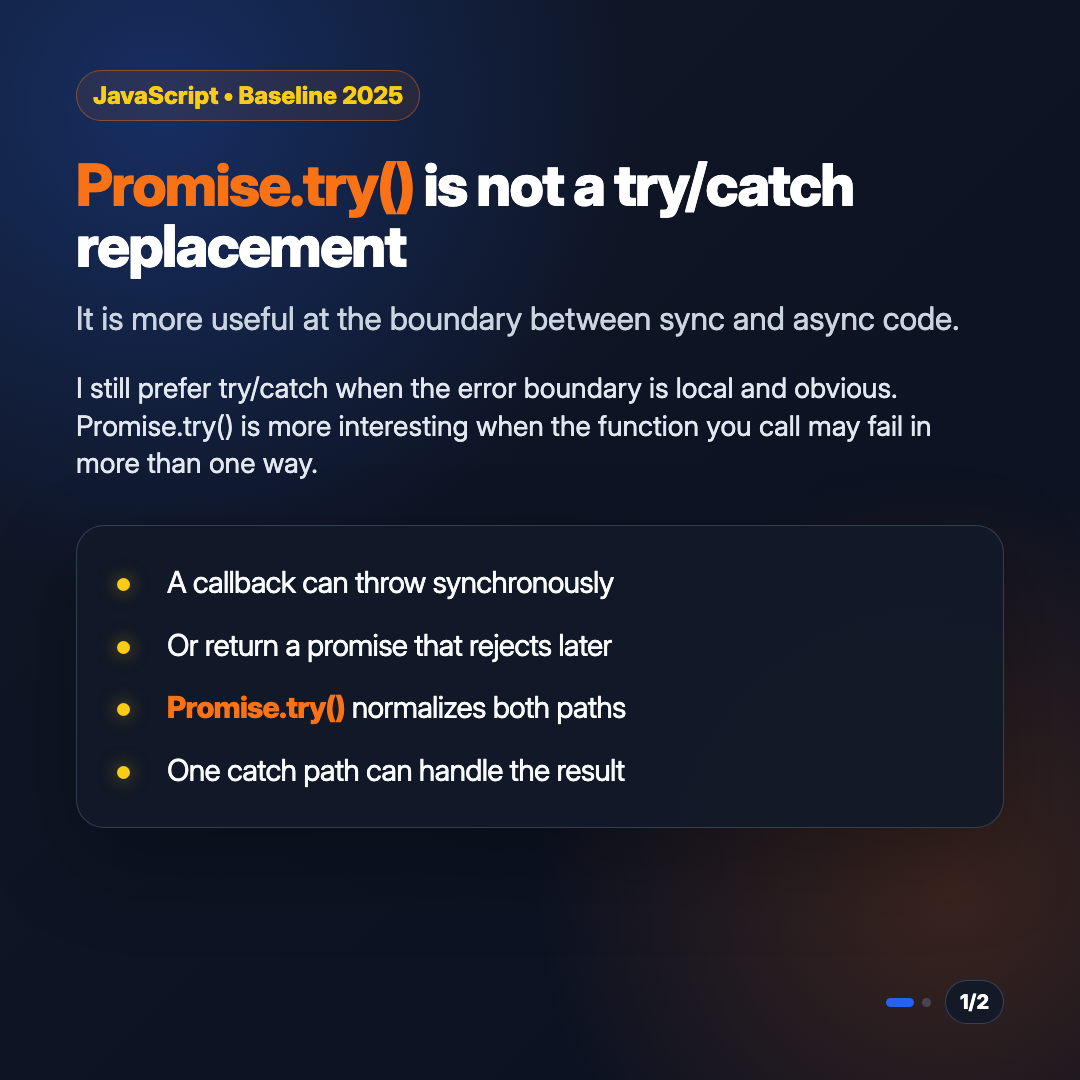
#JavaScript #ES2025 provides a useful helper for Promise-based error handling: Promise.try(). But it is not a try/catch replacement. I still prefer try/catch when the error boundary is local and obvious — it is clearer …
Read more →LinkedIn
Cross-document View Transitions have been supported for a while. The API lets ordinary multi-page links animate content between separate HTML files — no SPA required. Define `@view-transition` once, then use `view-trans…
Read more →LinkedIn
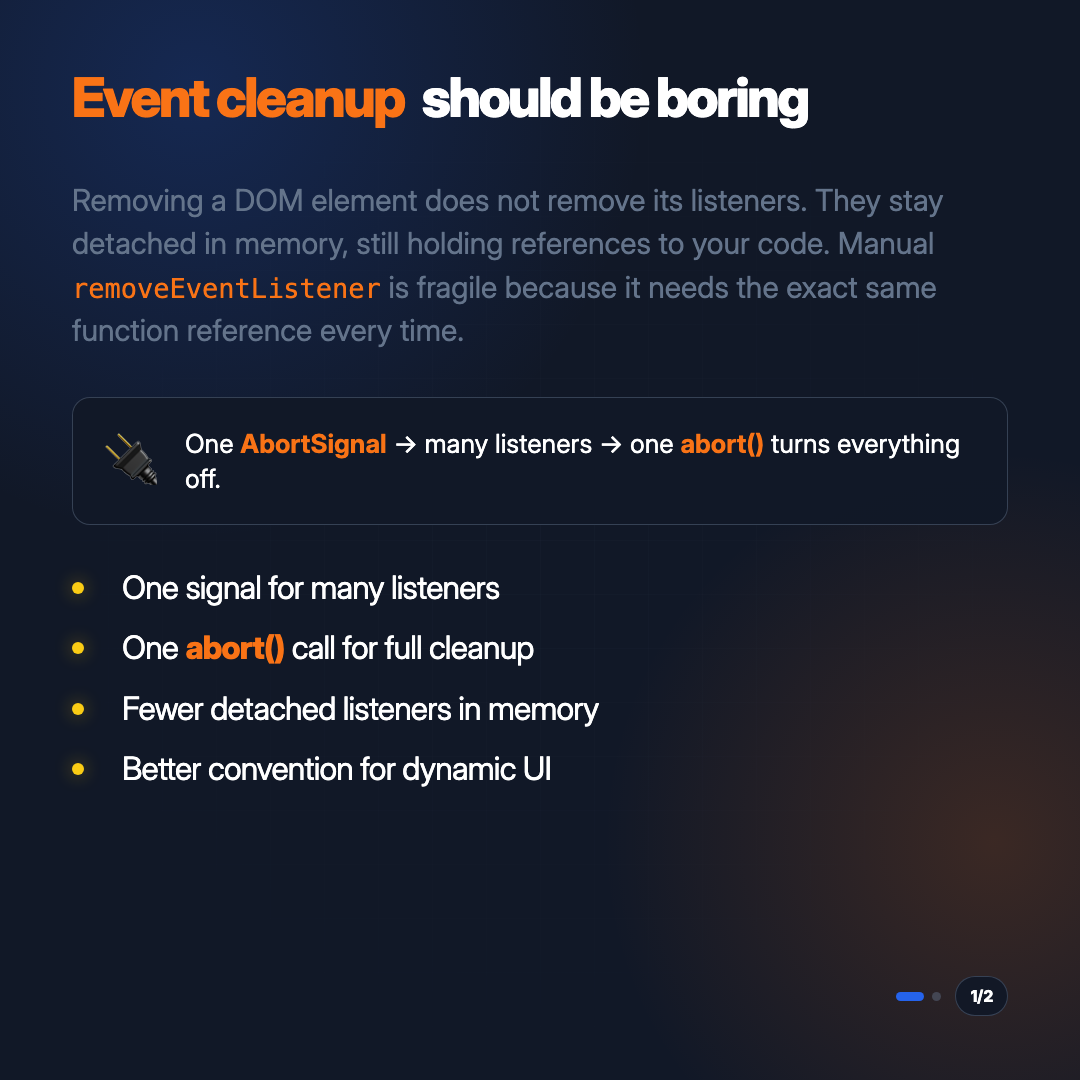
Removing a DOM element does not remove its event listeners. They stay detached in memory, still holding references to your code. Manual cleanup with removeEventListener is fragile. You need the exact same function refer…
Read more →LinkedIn
#CSS is getting native functions, and the direction is more interesting than the syntax itself. Kevin Powell shows how "@function" and "if()" could move spacing tokens, fluid type, and even responsive grid logic directl…
Read more →LinkedIn
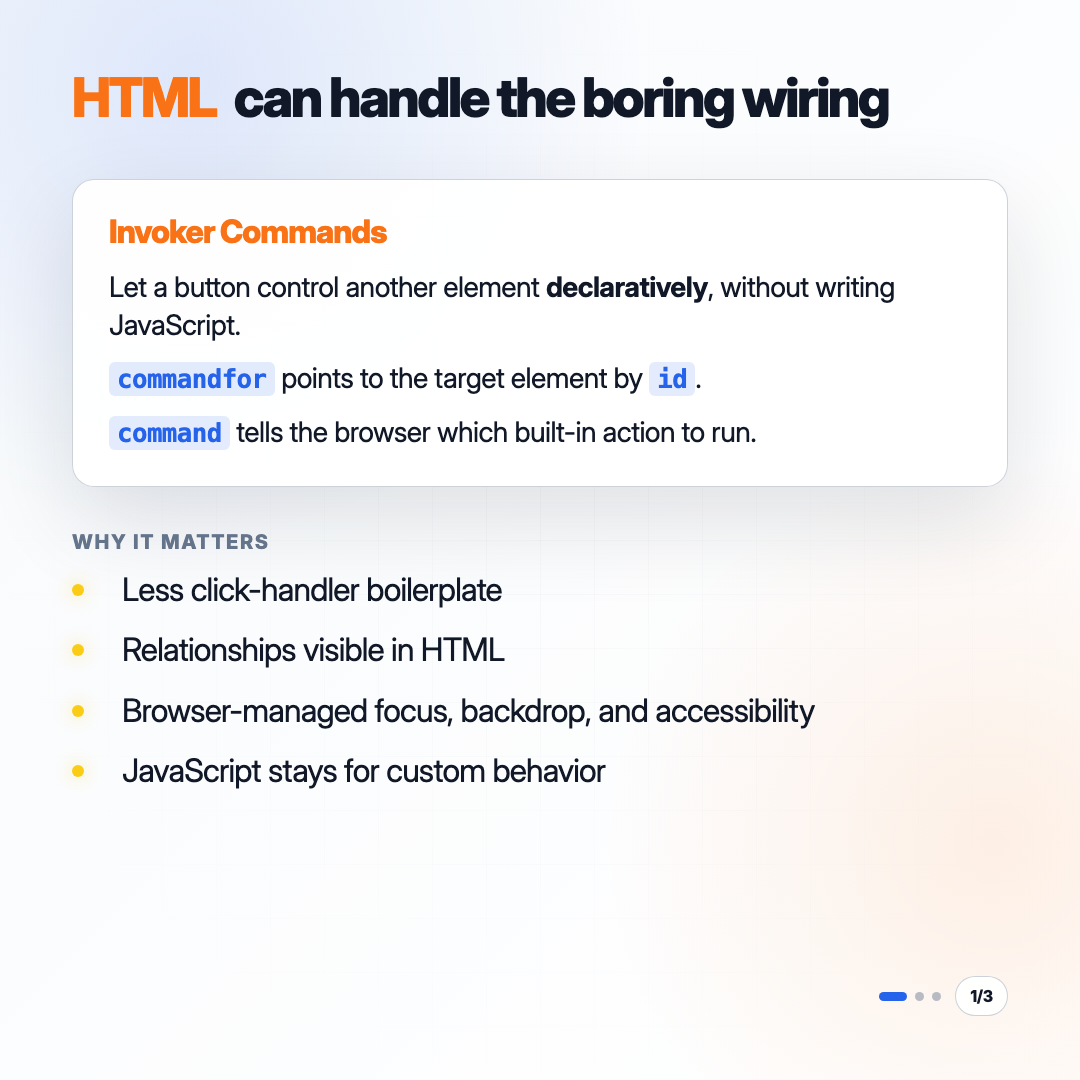
#HTML is getting new attributes that can remove a surprising amount of #JavaScript from common UI patterns. The `command` attribute lets a button trigger built-in browser actions directly from the markup. That covers e…
Read more →LinkedIn
Over the past month, I ran a small experiment. I used #AI to research and suggest LinkedIn content about topics I already like. I also used AI to generate post images from predefined themes, then organized the workflow …
Read more →LinkedIn
I was watching a video about AI workflows for frontend development. What caught my attention was the author's point about Vue skills: https://lnkd.in/dAedqwcS …
Read more →LinkedIn
Já perdi tempo demais explicando tipo em PHPDoc que o código já deixava implícito. …
Read more →